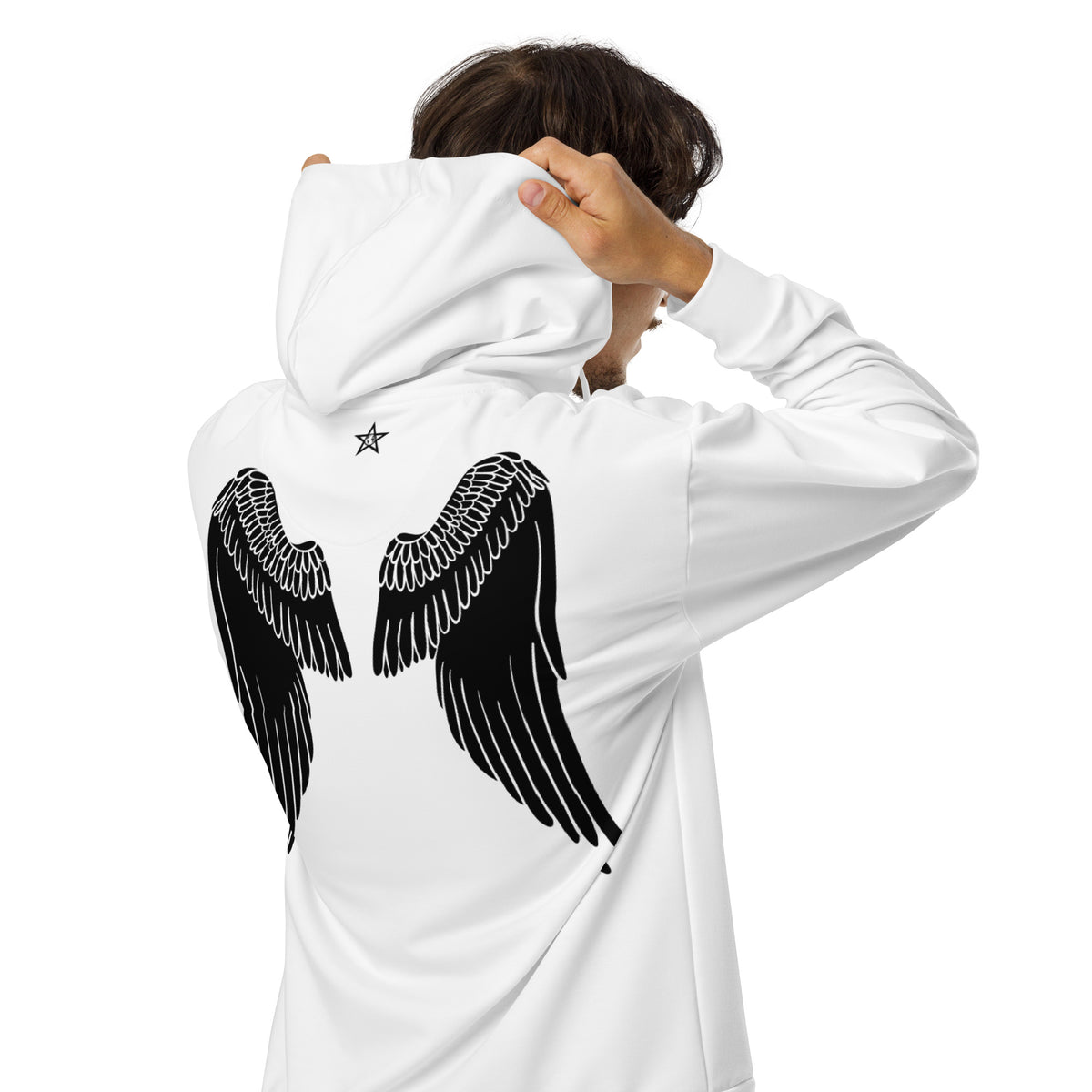

staying warm and comfortable Choosing clothing that balances comfort, practicality, and style can make a noticeable difference during cooler seasons. Whether you're heading to work, traveling, enjoying outdoor activities, or simply managing day-to-day responsibilities, building outfits that provide warmth without feeling bulky helps you stay confident and comfortable throughout the day.
One of the most effective ways to improve comfort in changing temperatures is through strategic layering. Layering allows you to adapt to different environments by adding or removing clothing as needed. A lightweight base layer, a comfortable mid-layer, and a protective outer layer can create a versatile outfit suitable for various weather conditions.
Fabric selection also plays an important role in maintaining comfort. Materials that provide insulation while remaining breathable help regulate body temperature more effectively. Soft fabrics can enhance everyday wear by reducing discomfort and improving overall flexibility during daily activities. Choosing quality materials often leads to longer-lasting garments and better performance throughout multiple seasons.
Accessories can significantly improve cold-weather comfort as well. Hats, scarves, gloves, and other seasonal essentials provide additional protection while complementing different outfits. These accessories offer practical benefits without requiring major changes to your wardrobe, making them valuable additions during cooler months.
Footwear should not be overlooked when creating comfortable everyday outfits. Selecting shoes that provide support, protection, and weather-appropriate features can improve mobility and overall comfort. Pairing suitable footwear with layered clothing helps create a balanced approach to seasonal dressing.
The concept of **staying warm and comfortable** extends beyond simply adding more layers. Proper fit is equally important. Clothing that is too tight may restrict movement and reduce insulation, while oversized garments can sometimes allow excessive airflow. Finding the right balance contributes to better comfort and functionality throughout the day.
Another important factor in **staying warm and comfortable** is versatility. Investing in wardrobe staples that work across multiple occasions can simplify outfit planning and provide greater value over time. Hoodies, sweatshirts, jackets, and quality basics often serve as reliable foundation pieces that adapt easily to different settings.
For individuals who spend time outdoors, weather awareness can help improve clothing choices. Understanding temperature changes and planning outfits accordingly allows for better preparation and reduces discomfort throughout the day. Small adjustments can have a significant impact on overall well-being.
Ultimately, **staying warm and comfortable** involves combining practical clothing choices, thoughtful layering, and quality wardrobe essentials. By focusing on versatility, comfort, and functionality, it becomes easier to create stylish outfits that perform well across different seasons and everyday activities. Developing a wardrobe that prioritizes comfort while maintaining personal style ensures you remain prepared for changing weather without compromising appearance or confidence.